
The Move-in Gap
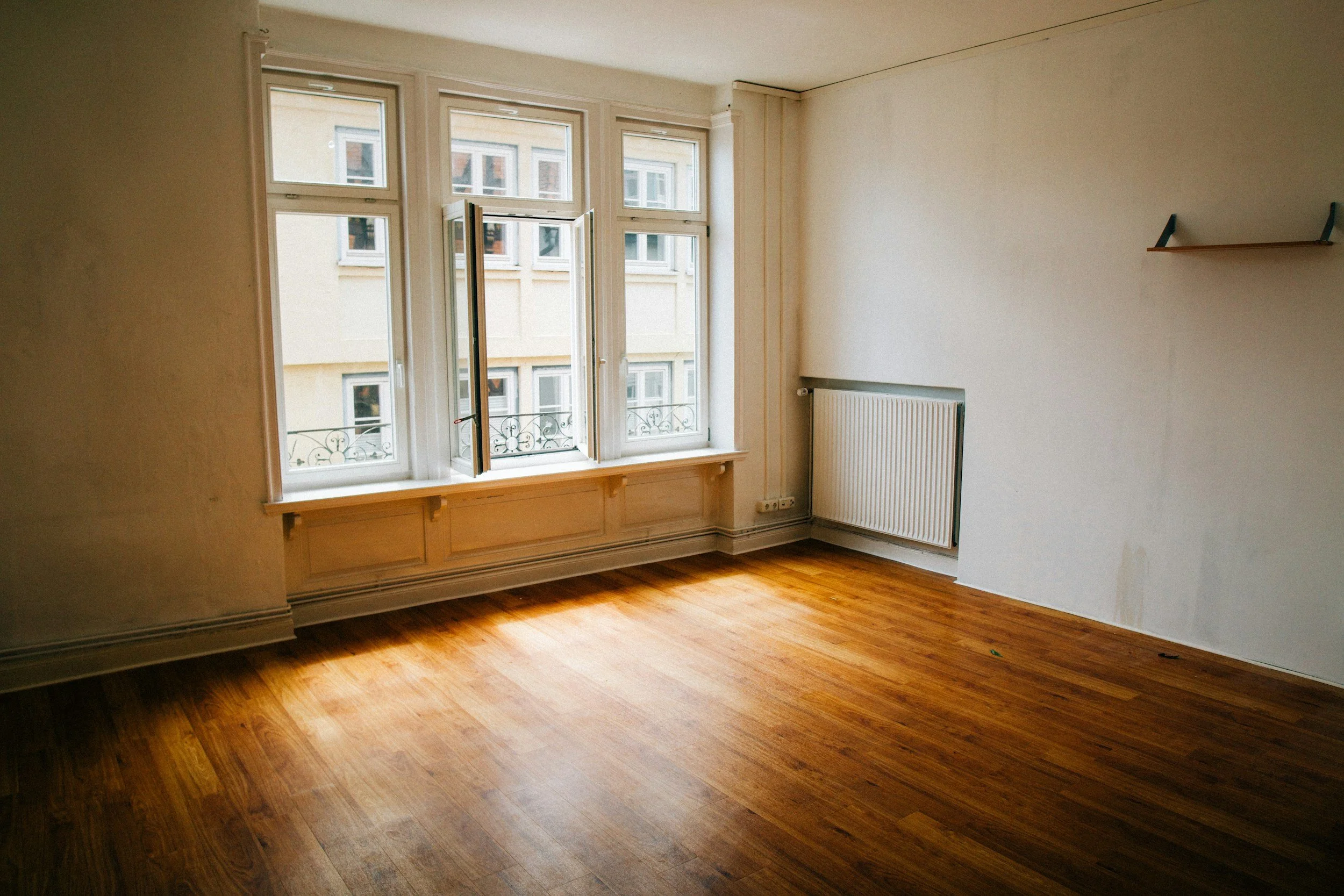
The additional costs incurred by moving into a new home are associated with the “Move-in Gap” and furniture makes up a significant percentage of these expenses.
Moving into a new home is a major life change that should be exciting, but in reality, many are stepping into spaces that do not yet support daily living. The additional costs incurred by moving into a new home are associated with the “Move-in Gap” and furniture makes up a significant percentage of these expenses.
In previous posts, we have discussed the data-supported need to view furniture as necessary to our neighbors' ability to grow and succeed. While there may be four walls and a roof, without basic items like beds, tables and housewares, the home may not feel settled or support for a person’s day-to-day life.
What the Move-In Gap Looks Like
As more households face rising rent and limited support while dealing with the imperative for housing, the Move-In Gap will continue to impact our neighbors. More people are entering housing without beds and other furnishings that promote recovery at home.
When an entire home is empty, the impact is even greater:
Children may sleep on the floor which affects rest, learning and confidence.
Adults may need to prepare meals without the proper kitchen basics to cook or eat.
Empty rooms make a new place feel temporary and unstable.
The people we serve are working hard to build stability while navigating an environment that makes their daily life difficult.
Why the Move-In Gap is Widening
Rising housing costs put more pressure on families to secure a place to live, leaving little left for basic furnishings. In some cases, individuals and families have to account for additional costs such as hotels while waiting for apartments to become available. Most units are unfurnished unless tenants pay a premium for furnished housing, and rapid or emergency placements can mean families move in with nothing. As a result, more households are technically housed but still do not have what they need to feel comfortable and succeed.
Why This Matters
Housing is just the first step. A furnished home is what allows people to move forward. We help fill homes with the essential items that allow our neighbors to create routine and comfort. A bed gives a child a safe place to sleep. A table becomes the center of meals, homework and connection. A sofa gives families a place to make memories together. When we help close the Move-In Gap we give families comfort, safety and the chance to truly begin again.